

Investing in a Garden Patio Heater Gas
A patio heater for your garden can transform an uncomfortable, cold outdoor space into an inviting and warm social gathering space. The key is selecting the right type of heater for your needs. You must think about the size of your outdoor space and the power sources you have in place.
In comparison to electric models, propane heating systems can heat larger areas and produce more heat. These heaters also have features like a remote control for easy moving and wheels.
Cost-effectiveness
There are many factors that play an important role in the effectiveness of patio heaters, including their BTU rating and their fuel efficiency. It is also important to consider their appearance, wind resistance, and the ease of installation and use. Some models are designed with an integrated control panel or shutoff timers that maximize the energy consumption and eliminates wasted energy. Other models come with a variety of aesthetic options to complement your outdoor space.
Understanding how much the outdoor space requires heat is vital to determine whether the patio heater is cost-effective. Calculate the area of your patio and the temperature. Also, think about the size of the covered or open space. Once you have this information, you'll be able to select the appropriate heater for your space.
Gas and electric patio heaters are able to heat a room in an efficient and economical manner. The most affordable option is an electric heater that makes use of infrared technology to release heat in a specific way. This type of heater is ideal for smaller spaces because it can provide up to 160 square feet. It is also simple to set up and has no emissions making it a green alternative.
Gas heaters, on the other hand, produce heat through combustion and are, therefore, generally more expensive to run than electric models. Installation requires an experienced professional and the heaters need to be placed in an open area that has adequate ventilation. Certain models have an inbuilt controller, while others are controlled remotely. In addition, certain gas patio heaters come with an insufficient heat output, which can leave cold spots in larger spaces.
When you are choosing a gas patio heater, you must also think about its safety features. For example you should select an item with a solid base that is resistant to corrosion and other elements that can cause damage. It should also have a clear flame and smokeless combustion to avoid fire hazards. You should also choose one with an AFUE rating of high (annual fuel utilization efficiency) to help reduce the cost of energy.
Safety
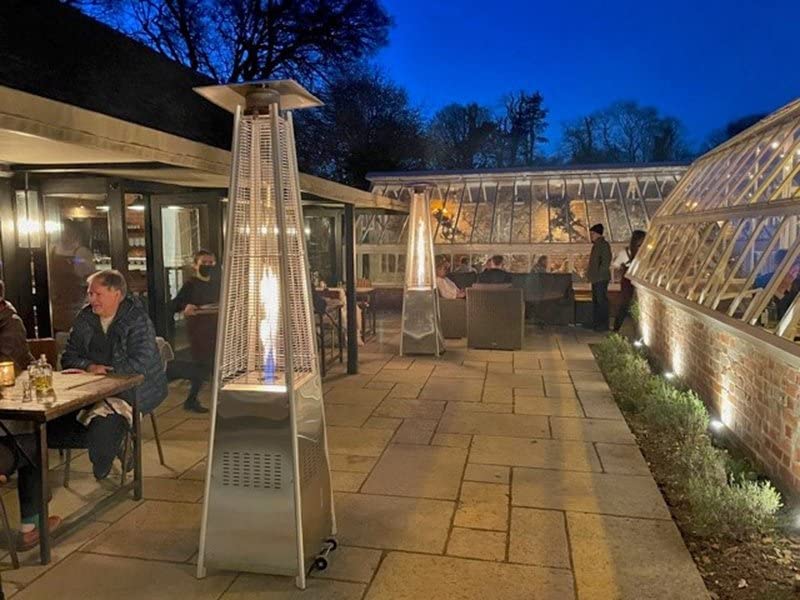
If you're considering buying a patio heater for your garden There are a myriad of styles to choose from. Some are designed to provide light and warmth while others offer the added benefit of offering visual appeal. No matter what your style, there's sure to be a heater that will suit your needs. Before making a purchase, determine your budget and locate the best heater within your budget.
One of the most important aspects to think about when selecting gas patio heaters is safety. Carbon monoxide can be released by propane and natural gas heaters. This could be fatal in enclosed spaces. For this reason, it's essential to only use your heater in areas that are open and have adequate ventilation. Make sure to check the tank and hose connection regularly as leaky or loose connections could increase the risk of fire.
It's also important to choose a heater for your patio that does not have a naked flame. Although open flames look beautiful and are often employed in bars and restaurants but they could cause serious fire danger to your home. Luckily, the majority of residential patio heaters are powered by propane which has a solid track history of safety. Moreover, propane heaters typically include a thermocouple in the heater that detects the flame and shuts off the flow of fuel if it is extinguished.
There are many different kinds of patio heaters available which include propane models with cylinders and those that connect to a gas line. Propane-based patio heaters based on cylinders are a great option for those looking for the greatest flexibility and portability. It is essential to choose a cylinder rated for outdoor use, since leaks can occur in time.
Gas patio heaters are usually easier to install than electric ones. Gas patio heaters can be used anywhere in the event that they're ventilated. However, they aren't recommended for the use under pergolas, gazebos or trellis structures, as the heat generated by the burner can cause damage to these structures.
Easy to assemble
A gas-powered garden heater is a great way to keep your backyard warm during the winter without increasing the cost of electricity. Unlike electric heaters, which draw too much power and increase your electricity bills Natural gas heaters are connected to gas lines that are already in use and are one of the most energy-efficient methods of warming a patio. You can even install them yourself, but it is recommended that you hire a licensed plumber to install the installation.
During our testing of the patio heater we discovered that it was simple to put together and the heat settings were easy to adjust. It's a top-heavy heater, so it's best to place it on a sturdy table or other stable surface. Be sure not to place it too close to flammable objects, especially in a windy environment.
The patio heater comes with a pulse ignition that allows for easy lighting. The flame adjustment dial lets you control the size of the flame. The patio heater is equipped with safety features like an auto-shutoff and an alarm to ensure that it doesn't burn.
This patio heater is easily stowed away and is easy to move. sneak a peek at this website lets you to easily adjust it to the perfect height for your space. It also has an anti-tipping function that will shut the burner off when it is tilted over 15 degrees.
A patio heater is an excellent addition to any outdoor living area, but it's important to select the right model to meet your needs. Consider the BTUs when choosing the right patio heater for propane or natural gas. The greater the number, the more heat it produces. However, bear in mind that temperatures outside are lower than those indoors and that weather conditions can impact the amount of heat that is generated by your patio heater.
Versatility
Patio heaters can be a great addition to your outdoor living space, providing warmth and comfort. They are available in a variety of designs and sizes to fit any outdoor space or commercial setting. Some are portable some can be permanently mounted on the wall for year-round heating. Some models feature an elegant, sleek design, while others feature an older, more durable design. Consider the features of each heater type to determine which is the best one for you.
Gas patio heaters are powered by natural or propane gas, and are well-known for their high heat output. Depending on the model, they can reach 215ft2 of heat. These units are usually odourless and have a low boiling temperature of -42degC. These units, unlike electric heaters, can be turned on and off via remote control or a timer. They are also simpler to use than wood-burning chimineas and fire pits, which require lots of maintenance.
The best patio heater in 2022 depends on your needs and budget. A small patio in your home might only require one heater. However, a larger outdoor space will require multiple heaters to efficiently heat it. Generally, the bigger the outdoor area, the more British Thermal Units (BTUs) will be needed to heat it. Talk to a professional if not sure of the number of BTUs are required to power your patio heater.
Certain models of patio heaters come with control of the heat that can be adjusted to your preference. These features are particularly useful for those who plan to use your patio heater in cold weather, which is when the heat is needed the most. Some models come with a telescopic pole which lets you to place the heater exactly where it's needed.
It is important to be aware that any heating device could cause fire or injury if used incorrectly. To prevent this, it is essential to follow the manufacturer's instructions and avoid direct contact with the heater. It is also recommended to inspect your patio heater frequently for leaks or other issues. If you find an issue with gas then you must immediately turn off the burner and call an expert to repair it.